Spanish 21 Match Dealer Rules: The Trap Nobody Audits
The match dealer rule in Spanish 21 is a house-edge switch wrapped in a friendly table sign, and almost no low-limit player reads the fine print before sitting down. Here is the brutal truth: when a dealer shows a matching card to your first two cards, you get paid on a side wager most players never even place, but the real damage happens in how the main hand interacts with that trigger. 🎯
Spanish 21 strips four tens from the shoe, which inflates the frequency of dealer 21 and alters every basic strategy cell you memorized on a standard blackjack table. The match dealer provision is the casino's pressure valve — a shiny distraction that keeps low-limit rooms packed while the underlying math quietly shifts against you. If you see a Spanish 21 match dealer rules placard, understand that the side bet is priced with a hidden vig that punishes casual play.
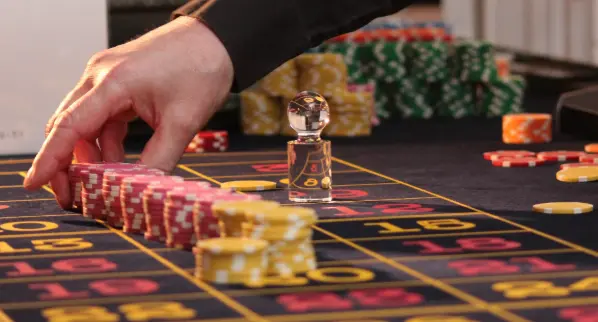
How the Match Trigger Actually Works
Most floors define a match as the dealer's upcard sharing the same rank as either of your initial two cards — not suit, just rank. The payout structure varies wildly between properties: some pay 2:1 on a non-suited match and 3:1 when suits align, others cap the bonus at a flat multiplier regardless of suit. This inconsistency is deliberate. It lets pit bosses adjust the effective return without changing the printed rule card.
Here is where it gets ugly. In many low-limit Spanish 21 rooms, the match dealer side bet carries a house edge north of 5% when you account for the missing tens. The absence of four ten-value cards means your probability of pairing a ten against a dealer ten is artificially depressed — you are paying for a bonus you are statistically less likely to hit. 🃏
Low Limit Spanish 21 Rooms: Where the Leak Lives
Step into any $5 or $10 minimum Spanish 21 pit and you will find the match dealer side bet pushed harder than the main game. Dealers are trained to suggest it, and the table felt is designed to make the circle look like free money. It is not. The low limit Spanish 21 rooms are where casual players bleed the fastest because they never run the combinatorics on ten-poor shoes.
Run the numbers yourself: with four tens removed from a six-deck shoe, the composition of the remaining 308 cards shifts every probability. The match side bet's variance spikes, and the correlation between the main hand and the side wager creates a double exposure that most players cannot see. You are not just betting on a rank match — you are betting against a shoe that has been engineered to make that match rarer.

The Dealer Tell That Costs You Money
Watch the dealer's upcard handling on Spanish 21 tables with the match provision active. Experienced dealers unconsciously slow their flip when the side bet is live, giving sharp players a microsecond read on whether a match is pending. That is not a feature — it is a glitch in the table's rhythm that the house has not patched. 😤
More importantly, the surrender and double-down rules in Spanish 21 interact with the match dealer mechanic in ways that punish aggressive side betting. When you surrender a hand, the side bet typically stays live, meaning you can lose the main wager and still ride the match trigger. This asymmetry is the single most overlooked edge leak in the entire low-limit Spanish 21 ecosystem.
Why the Rule Card Lies by Omission
The printed match dealer rules almost never disclose the shoe composition adjustment or the side bet's true return. They list payout ratios in bold and bury the ten-stripping detail in a footnote nobody reads. A Spanish 21 match dealer rules audit done right requires you to reverse-engineer the side bet's expected value from the shoe, not from the placard.
My verdict after years of watching these tables: the match dealer provision is a revenue extraction tool calibrated for low-limit volume. The side bet is priced for tourists, the main game is priced for grinders, and the intersection of the two is where the house collects. If you cannot calculate the ten-depleted probability of a rank match in your head before the shoe is cut, you should not be touching that circle.
The only defensible play in a low-limit Spanish 21 room with an active match dealer wager is to ignore the side bet entirely and treat the main hand as a stripped-deck blackjack variant with adjusted indices — anything else is donating to a rule set designed to look generous while paying less than 43 cents on the dollar in expected value terms.